

How Proper Wheel Alignment Saves You Money Over Time
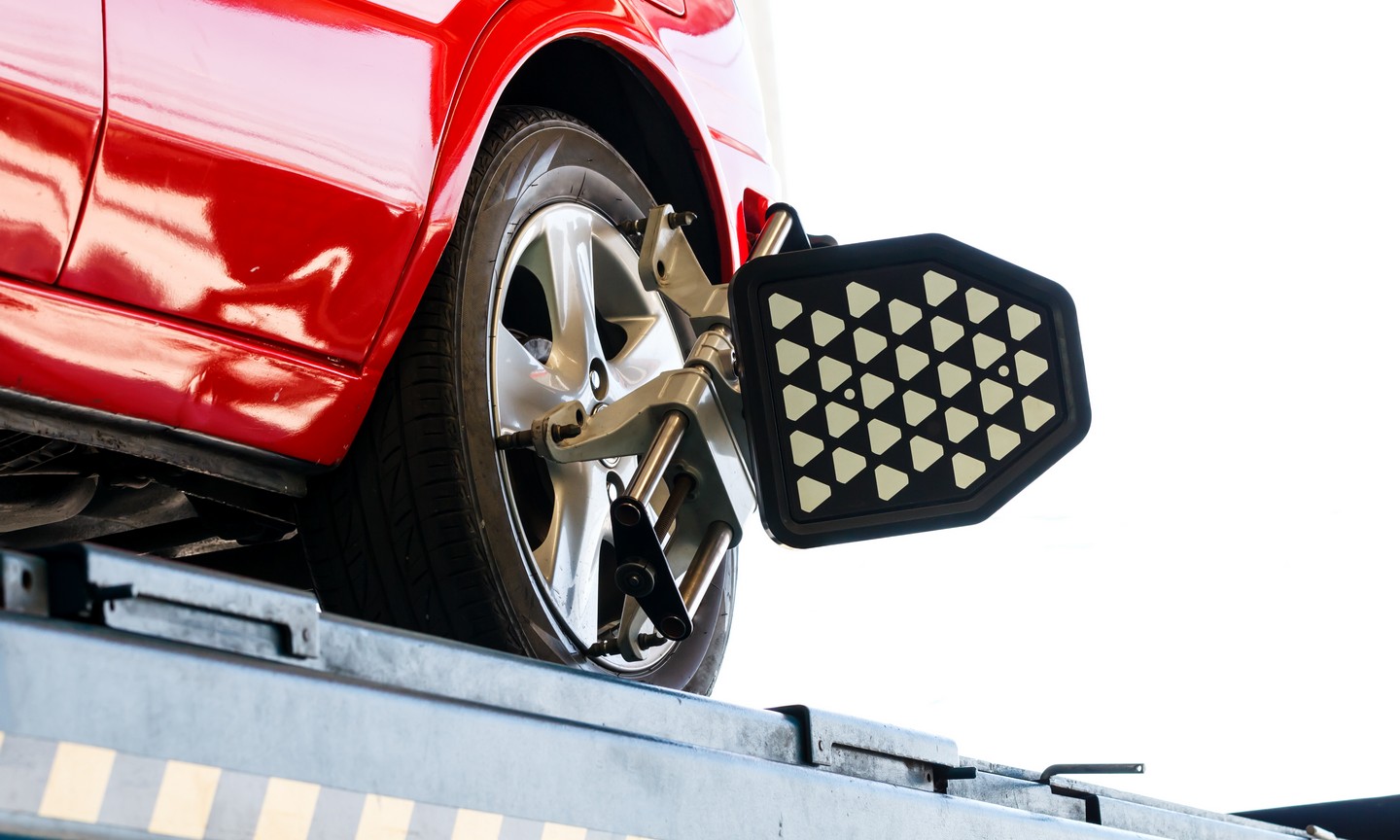
A wheel alignment may not be the first service appointment that comes to mind, but it can make a meaningful difference in the cost of owning your vehicle. When wheel angles are out of specification, tires can wear unevenly, handling can feel less predictable, and fuel efficiency may be affected.
A timely alignment check can help you get more usable life from your tires and identify concerns before they become more noticeable. For drivers who want to protect their vehicle and their budget, it is a practical part of long-term maintenance.
What is a wheel alignment?
A wheel alignment is a service in which a trained technician checks and adjusts the angles of the wheels to the manufacturer’s specifications. These angles include caster, camber, and toe, which affect how the tires meet the road and how the vehicle tracks while driving.
Proper alignment helps support steering stability, even tire wear, and overall driving performance.
How can an alignment help you spend less?
The biggest potential savings often come from helping tires wear more evenly. Tires are a significant ownership expense, and irregular wear can shorten their usable life.
When alignment is off, one edge of a tire may wear faster than the rest of the tread. That can mean replacing tires earlier than expected, even if much of the tire still appears to have usable tread.
What causes wheels to go out of alignment?
Normal driving can affect alignment over time. Common causes include:
- Potholes, uneven pavement, curbs, and road debris
- Repeated travel on rough or unpaved roads
- Wear in steering or suspension components
- A hard impact with a curb or road hazard
- Installation of new tires or suspension-related repairs
An alignment concern is not always the result of one dramatic event. Small changes can develop gradually, which is why regular inspections are useful.
What are the signs you may need an alignment?
Schedule an inspection if you notice changes in how your vehicle drives or how the tires are wearing. Possible signs include:
- The vehicle pulls or drifts to one side on a straight road
- The steering wheel is off-center while driving straight
- Tire tread is wearing unevenly
- The steering wheel vibrates
- The vehicle does not feel as steady or smooth as usual
These signs can have more than one cause. For example, pulling can also be related to tire pressure, tire condition, brake wear, or steering components. A service inspection can help identify the actual source of the concern.
When should you have wheel alignment checked?
Your owner’s manual is the best source for vehicle-specific maintenance guidance. Lynch Ford Chevrolet advises checking alignment annually or when purchasing new tires.
It can also make sense to request an alignment inspection after hitting a significant pothole or curb, replacing suspension components, or noticing a change in steering feel.
Why pair alignment with tire service?
Wheel alignment is often a smart conversation to have during tire rotation, tire replacement, or a multi-point inspection. Rotations help promote more even tire wear, while alignment helps ensure the tires are meeting the road correctly.
Regularly checking tire pressure and keeping tires properly inflated can help extend tire life. Good maintenance guidance also connects balanced, aligned tires and wheels with keeping the vehicle in good condition.
FAQ: Wheel Alignment
Does wheel alignment make tires last longer?
Proper wheel alignment can help tires wear more evenly. Uneven wear may reduce how long a tire remains usable, so correcting an alignment concern may help protect tire life.
Can misalignment affect fuel economy?
It can. Correct alignment can help with gas mileage, in addition to tire life and tire performance.
Is wheel alignment the same as tire balancing?
No. Wheel alignment adjusts wheel angles so the vehicle tracks correctly. Tire balancing addresses weight distribution around the wheel and tire assembly. Both services can support smoother driving and more even tire wear.
Should I wait until my vehicle pulls before getting an alignment checked?
Not necessarily. A pull is one possible sign, but uneven tire wear or an off-center steering wheel can also indicate a concern. Checking alignment during tire service or regular maintenance can help identify issues earlier.
|
|---|
Schedule an Alignment Inspection
If your steering feels different, your vehicle pulls to one side, or your tires are showing uneven wear, schedule a service visit with Lynch Ford Chevrolet. We can inspect your tires, steering, suspension, and alignment to help you understand what your vehicle may need.